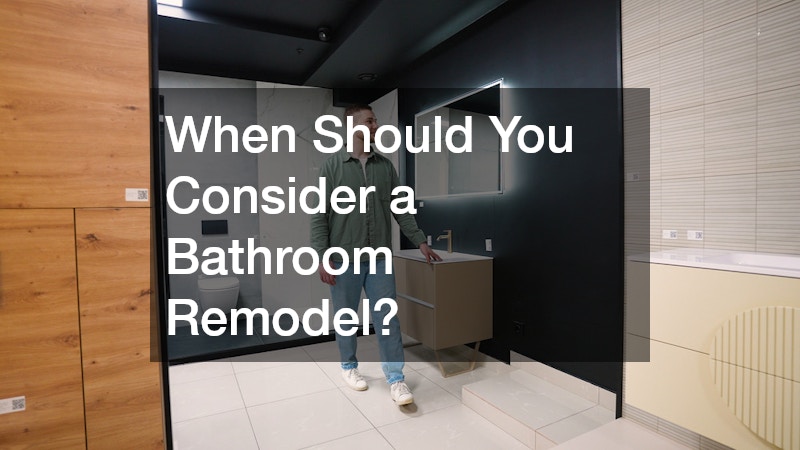
A bathroom is one of the most frequently used spaces in a home, so its condition can affect both daily routines and overall comfort. While some signs of wear can be addressed with small updates, other problems may indicate that a larger renovation is worth considering. Knowing when to update the space can help homeowners create a bathroom that better fits their needs, preferences, and lifestyle.
A bathroom remodel can provide an opportunity to address outdated features, improve functionality, and make better use of available space. However, deciding when to take on a project involves more than simply wanting a new appearance.
Homeowners should consider the condition of the room, how well it functions, and whether its current design meets their household’s needs.
When the Bathroom Looks Outdated
One of the most obvious reasons to update a bathroom is an outdated appearance. Older flooring, worn cabinetry, dated fixtures, and aging finishes can make the entire room feel less inviting.
Design preferences also change over time. Colors, materials, and layouts that were popular decades ago may no longer match a home’s style. Updating finishes can create a more cohesive appearance and make the bathroom feel more current.
Homeowners do not necessarily need to follow every design trend. Instead, choosing durable materials and a timeless design can help the updated space remain appealing for years. Neutral finishes, quality fixtures, and thoughtful storage can provide a practical foundation while still allowing room for personal touches.
When the Layout Is Difficult to Use
A bathroom can look attractive while still being inconvenient. A poorly planned layout may create limited walking space, insufficient storage, or awkward placement of fixtures.
For example, a vanity may take up too much room, a door may interfere with another fixture, or the shower may not provide enough usable space. These issues can become increasingly frustrating when multiple people share the bathroom.
Updating the layout can provide an opportunity to improve how the room functions. Depending on the home’s structure and project goals, homeowners may be able to reposition fixtures, improve storage, or create a more open arrangement.
Before changing the layout, it is important to consider plumbing locations, structural limitations, ventilation, and building requirements. Planning these details in advance can help reduce unexpected complications.
When Storage Is No Longer Sufficient
Insufficient storage is another common reason homeowners consider updating a bathroom. Toiletries, towels, cleaning products, and other necessities can quickly make a small space feel cluttered.
Adding practical storage can make daily routines easier. Options may include larger vanities, recessed shelving, medicine cabinets, linen storage, or built-in niches.
The best storage solution depends on the size and layout of the bathroom. Homeowners should consider what they actually need to store before choosing cabinets or shelving. Thoughtful storage can help keep frequently used items accessible without overwhelming the available space.
When Fixtures Are Showing Their Age
Fixtures can gradually become less functional as they age. Faucets may develop leaks, toilets may require frequent repairs, and showers may no longer perform as expected.
Replacing aging fixtures can improve both appearance and usability. Modern options may also offer features designed to improve water efficiency, accessibility, or convenience.
Homeowners should evaluate the condition of fixtures rather than replacing them solely based on appearance. If several components are aging at the same time, completing updates as part of one larger project may make more sense than addressing individual issues separately.
When the Bathroom No Longer Fits Your Needs
Sometimes the biggest reason to update a bathroom is simply that the room no longer works for the people using it. A growing household, changing routines, or different preferences can make an existing space feel inadequate.
Homeowners may want a larger shower, more counter space, additional storage, better lighting, or a different configuration. Identifying these priorities before beginning a project can help keep the design focused on practical improvements.
It can be useful to observe how the bathroom is used throughout a typical day. Making a list of frustrations and desired improvements can help homeowners distinguish between cosmetic preferences and functional needs.
Planning the Project Carefully
Once homeowners decide that an update is worthwhile, careful planning can help establish realistic expectations. Consider the desired layout, materials, fixtures, storage, lighting, ventilation, and overall design before work begins.
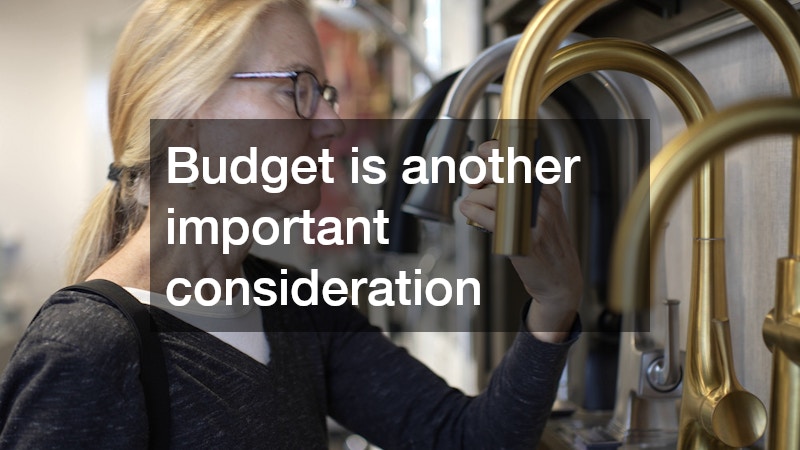
Budget is another important consideration. Costs can vary depending on the size of the bathroom, materials selected, structural changes, plumbing requirements, and labor involved. Setting a budget early can help homeowners prioritize the improvements that matter most.
Working with qualified professionals can also help homeowners understand which changes are practical for their space. A professional can identify potential challenges and provide guidance on materials, installation, and project sequencing.
A bathroom can benefit from an update when its appearance, functionality, condition, or accessibility no longer meets a household’s needs. Outdated finishes, inefficient layouts, limited storage, aging fixtures, water damage, and inadequate ventilation can all be reasons to consider making larger improvements.
A bathroom remodel can transform an inconvenient or aging space into one that better supports everyday routines. However, homeowners should focus on more than appearance when deciding whether the time is right for a project. Evaluating functionality, household needs, long-term durability, and budget can help guide the planning process.
With thoughtful preparation and a clear understanding of priorities, homeowners can create a bathroom that is comfortable, practical, and suited to their needs for years to come.