

As the seasons change, many golf cart owners find themselves dusting off their vehicles after months of inactivity. Properly preparing a golf cart for use after storage is essential to ensure safety, reliability, and performance. Whether you rely on your cart for daily neighborhood travel, golf course runs, or recreational activities, taking the right steps can prevent damage and extend the life of your vehicle. From inspection to maintenance and planning, each stage plays a role in making your golf cart road-ready.
Below, we break down key tips for taking your golf cart out of storage, helping you get back on the road confidently and efficiently.
Perform a Thorough Inspection
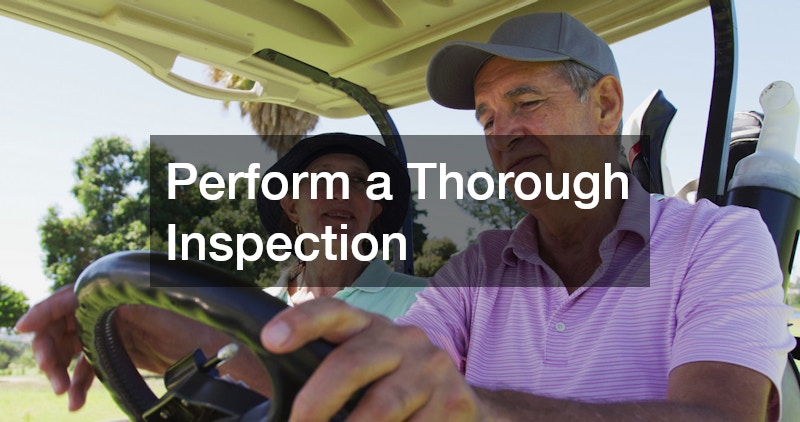
Before you even think about starting your golf cart, a careful and thorough inspection is crucial. Begin by examining the overall condition of the body, frame, and seats. Look closely for cracks, dents, rust spots, or scratches that may have developed during storage. Even minor damage can worsen over time if left unaddressed, so identifying these issues early can save you from more expensive repairs later. Pay special attention to areas that are prone to moisture accumulation, such as under the seats, around the wheel wells, and along seams, as these spots are more likely to develop rust or mold during storage.
Next, inspect all interior components, including the steering wheel, pedals, and seats. Check for signs of wear or damage that may affect safety or comfort. For example, a cracked seat or loose pedal can create discomfort during use or pose a safety risk. Also, ensure that seat belts, if your cart has them, are intact and functioning properly.
Electrical components deserve careful attention as well. Check the lights, horn, turn signals, and dashboard indicators to make sure everything functions correctly. Inspect all wiring for frays, corrosion, or loose connections. For electric golf carts, the battery system is critical. Examine the battery terminals for corrosion, ensure that connections are tight, and check the condition of the battery casing. Even small amounts of corrosion or a loose terminal can prevent your cart from starting or reduce battery efficiency, which could leave you stranded unexpectedly.
Additionally, if your cart has accessories like a stereo, GPS, or charging ports, test each one to make sure it is working correctly. Malfunctioning accessories may indicate deeper electrical issues that need attention.
A reputable golf cart dealer can provide valuable guidance if you are uncertain about any findings during your inspection. Many dealers offer pre-season checkups or maintenance packages that address the most common post-storage issues, including battery health, tire pressure, and engine or motor performance. Taking your cart in for a professional assessment not only gives you peace of mind but can also help prevent inconvenient breakdowns when you want to use your cart the most. By dedicating time to a careful inspection, you protect your investment, improve safety, and set yourself up for a smooth and enjoyable season on the road or course.
Wipe Everything Down
Even if your golf cart was stored in a clean area, dust and debris inevitably accumulate over time. Begin by wiping down the entire exterior, including the body panels, roof, and seats. Using a mild soap and water solution with a soft cloth or sponge works best to prevent scratching the surface. Don’t forget the undercarriage, where dirt and grime often settle during storage.
After washing, dry your golf cart completely to prevent rust or water spots. Leather or vinyl seats can be treated with a suitable conditioner to keep them supple and prevent cracking. Regular cleaning not only improves the appearance of your cart but also helps preserve its value.
Cleaning is especially important for owners looking to maintain one of the best golf carts on the market. A well-maintained exterior and interior reflect care and can enhance the overall experience while using your cart.
Test Engine and Fluids

Once your cart is visually clean, the next critical step is to ensure the engine and all fluids are in proper condition. Neglecting this step can lead to poor performance, costly repairs, or even complete engine failure. For gas-powered carts, begin by checking the oil level and quality. Over time, oil can break down, lose its lubricating properties, and accumulate contaminants, which can cause increased engine wear. Remove the dipstick, wipe it clean, then reinsert it to check the current oil level. If the oil appears dark, gritty, or has a burnt smell, it is essential to perform an oil change before operating your cart.
Next, examine the fuel system carefully. Look for any cracks, leaks, or signs of deterioration in fuel lines, as these issues can be dangerous if not addressed. Inspect the fuel filter for clogging or discoloration, and replace it if necessary. If your cart has been in storage for several months, old gasoline may have degraded, leaving varnish-like deposits in the fuel system. Draining the old fuel and refilling with fresh gasoline is a simple step that can prevent poor engine performance and starting problems.
For electric golf carts, the battery system is the heart of your vehicle, so it requires careful attention. Start by checking each battery cell’s water level, topping them off with distilled water if needed. Be careful not to overfill, as this can cause spillage and corrosion. Fully charge the batteries before the first use to ensure optimal performance. Examine terminals and connectors for corrosion, buildup, or loose connections, as these can lead to poor conductivity or prevent the cart from starting. Cleaning terminals with a mixture of baking soda and water or using a dedicated battery terminal cleaner helps maintain a strong electrical connection. Inspect your charger as well to confirm that it functions correctly and provides a complete charge.
In addition to fuel or battery maintenance, it is important to check other fluid systems. Coolant levels should be examined to prevent overheating, especially for gas-powered carts with liquid-cooled engines. Brake fluid is critical for safe operation, so check its level and quality, replacing it if it appears dirty or discolored. Hydraulic systems, if your cart is equipped with them, should also be inspected for leaks and proper fluid levels.
For many owners, having a professional golf cart services provider perform a full inspection is worth the investment. Experts can quickly identify issues that may not be obvious to the untrained eye, from subtle leaks to early signs of motor wear or battery degradation. They can also advise on the correct types of fluids, oil, and other consumables to use for your specific model. By taking the time to test and maintain your engine and fluid systems, you ensure your golf cart operates smoothly, safely, and reliably, giving you confidence for every ride.
Inflate the Tires
Tires often lose pressure during long-term storage, which can affect handling, safety, and ride comfort. Begin by checking the recommended tire pressure for your golf cart, usually listed on the tire sidewall or in the owner’s manual. Inflate each tire to the correct pressure using a reliable gauge.
While inflating, inspect the tires for cracks, bulges, or signs of dry rot. Tires that have been sitting in one position for months may develop flat spots, which can impact performance and longevity. Rotating the tires occasionally during storage can prevent flat spots in the future.
When looking to replace worn tires or check local options, consider local golf carts suppliers for quality replacements. They often carry tires specifically designed for your make and model, ensuring proper fit and safety. Properly inflated tires improve traction, stability, and the overall driving experience.
Clean Storage Area

The area where your golf cart is stored plays a significant role in its long-term maintenance and overall condition. A clean and well-managed environment helps prevent premature wear, corrosion, and other types of deterioration that can occur when a vehicle sits unused for an extended period. Before putting your cart back into storage at the end of the season, take time to thoroughly inspect the space. Make sure it is clean, dry, and free of pests or insects that may cause damage to wiring, seats, or insulation. Sweep the floor, remove leaves or debris, and check corners, shelves, and surrounding walls for signs of moisture or leaks that could contribute to mildew or rust formation over time.
It is also helpful to elevate any tools, paints, or chemicals off the floor and store them safely away from your cart. Spilled liquids or fumes from harsh products can damage finishes, tires, and electrical components. If your cart is stored in a garage, shed, or outdoor structure, consider improving airflow and ventilation to reduce humidity buildup, especially in warmer climates where moisture can accumulate quickly. Placing a breathable cover over the cart can also help protect the exterior while still allowing air circulation.
If your cart shares space with landscaping equipment or artificial turf materials, take the time to clean and organize these items as well. Dirt, grass clippings, or sharp tools stored nearby can create unnecessary hazards. Professional artificial grass installers often emphasize the importance of keeping storage areas tidy and clearly arranged, not only to maintain safety but also to prevent accidental scratches, punctures, or impact damage to nearby vehicles or equipment. Proper storage practices significantly reduce the risk of rust, mold growth, or structural wear, helping your cart remain in better condition between uses.
For homeowners planning to upgrade or build a dedicated storage area, consulting with custom home builders can help create a layout that safely accommodates recreational vehicles, tools, and seasonal equipment. Features such as reinforced flooring, built-in shelving, proper lighting, and climate-aware design can make storage more efficient and secure. A well-planned storage solution not only protects your golf cart but also maximizes usable space, improves accessibility, and enhances overall convenience when transitioning your vehicle in and out of seasonal use.
Fix Any Issues
Identifying and addressing minor issues during inspection prevents them from becoming major problems. If you notice scratches, dents, or small cracks, take care of them promptly. Electrical issues, brake concerns, or steering difficulties should be repaired before the cart is put into regular use.
Windshields and windows can also suffer damage during storage. Seek out professional auto glass repairs to replace cracked or fogged glass, maintaining visibility and safety. Additionally, if your cart requires mechanical repairs, an experienced auto repair shop can handle engine, suspension, or brake problems, ensuring your cart is fully operational.
Fixing problems early not only enhances safety but also protects your investment. Preventative maintenance is much cheaper and more effective than waiting for serious issues to develop during peak usage months.
Plan Ahead

Finally, planning ahead for the next storage period can save time and stress in future seasons. Consider where and how you will store your cart to minimize potential damage. If possible, use a climate controlled storage unit to protect your cart from temperature extremes, humidity, and pests. Controlled environments reduce battery degradation, prevent rust, and preserve paint and plastics.
For those with limited space, self storage facilities can offer convenient options for seasonal vehicle storage. Ensure the facility provides adequate security, ventilation, and ease of access for periodic maintenance checks.
Developing a long-term storage plan also includes creating a checklist for pre-storage and post-storage routines. Maintaining records of maintenance, repairs, and cleaning schedules ensures your cart remains in optimal condition year after year.
Taking your golf cart out of storage is more than a simple matter of starting the engine. By performing a thorough inspection, cleaning and maintaining components, addressing issues early, and planning ahead, you can enjoy a safe, reliable, and enjoyable ride. Proper maintenance not only extends the life of your golf cart but also enhances performance, appearance, and value.
By taking the time to inspect, clean, and maintain your vehicle, you can ensure a smooth transition from storage to regular use. Keeping your storage area organized and addressing any needed repairs in a timely manner helps protect your investment and prevents unexpected issues. Planning ahead for future storage seasons creates a reliable, stress-free routine.
Following these steps will allow you to enjoy your cart safely and comfortably, whether for daily outings, recreational adventures, or leisurely rides. With proper care and attention, your vehicle can provide dependable performance and enjoyment for many years.