
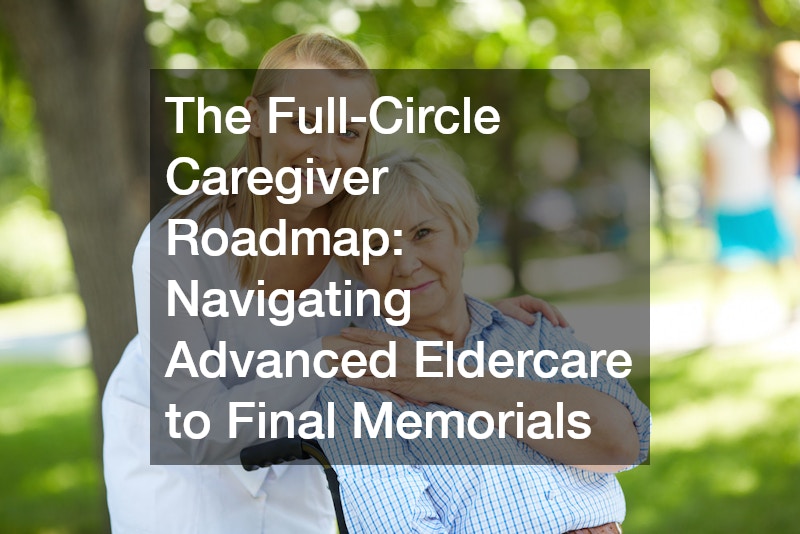
Caregiving rarely starts overnight. It often begins with small things like helping with groceries, driving to appointments, or organizing monthly bills. Over time, these small tasks grow into a full-time commitment that can reshape a person’s entire life. Families find themselves managing complex health conditions without prior medical training, learning as they go under stressful circumstances. When a loved one faces a progressive cognitive decline, daily challenges multiply quickly and become far more unpredictable. Managing behavioral shifts, sudden memory lapses, and ongoing safety concerns requires immense patience and specialized knowledge. Providing high-quality Alzheimer care means learning to communicate in entirely new ways, focusing on validation rather than correction to maintain peace. This shift in communication can feel disorienting at first, especially as adult children navigate the complex role reversal of supporting their own parents. It demands a complete realignment of daily expectations, moving away from long-term future planning and focusing entirely on the comfort of the present moment.
Families must adapt to changing realities every single day, which takes a massive toll on their physical energy and mental well-being. It is a profound act of love, but it is also one of the most exhausting roles a person can take on. As the condition advances, the support needed outgrows what a single person can provide at home. Recognizing this shift is not a sign of failure, but a necessary step in ensuring the individual receives the precise level of attention they deserve. Preparing for this progression early allows families to make decisions based on deep research and calm reflection rather than reacting during a sudden medical crisis. The entire path demands an ongoing balance of practical planning and deep emotional resilience from everyone involved in the family circle.
Supporting Health and Hydration from Home

As chronic illnesses progress, maintaining physical comfort and health becomes a complex daily task that requires constant vigilance. Seniors often struggle with basic nutrition, medication adherence, and hydration, which can lead to frequent hospital visits and unnecessary physical stress. Keeping a loved one stable and comfortable at home frequently involves introducing specialized clinical support services that bridge the gap between independent living and hospital care. For instance, severe dehydration or sudden acute illness can quickly destabilize an elderly person, making standard oral treatments or fluids completely ineffective.
In these situations, utilizing a professional iv therapy service can deliver vital fluids, essential vitamins, or targeted medications directly into the bloodstream without the trauma of an emergency room trip. This clinical intervention allows individuals to remain in familiar, comfortable home surroundings while receiving high-level medical care from trained professionals. Home health nurses can monitor vital signs, manage ongoing symptoms, and teach family members how to recognize early indicators of physical distress before they escalate. By integrating these professional clinical resources into the daily care routine, families can successfully manage acute health episodes before they spiral out of control. This proactive approach protects the dignity of the individual and reduces the physical wear and tear associated with emergency medical transportation. Ultimately, standardizing these health supports creates a safer, more stable foundation for advanced aging in place.
Transitioning to Specialized Residential Environments
There often comes a point where the physical and cognitive needs of an aging adult surpass what home care can safely or effectively accommodate. Safety risks like wandering out of the house, forgetting to turn off kitchen appliances, or experiencing frequent falls become constant sources of anxiety for family members. When around-the-clock professional supervision becomes necessary to prevent accidents, exploring dedicated residential options is the next logical step in the care roadmap. Moving a relative into a dedicated memory care facility provides them with a secure environment specifically designed to reduce confusion, agitation, and anxiety.
These specialized communities feature secure perimeters, clear layouts, and structured daily routines that promote a sense of predictability and safety for residents. The staff members in these environments receive comprehensive training in managing unique cognitive challenges, focusing on gentle redirection and meaningful personal engagement. Residents gain access to tailored social activities, specialized nutrition plans, and immediate medical oversight that keeps them safe throughout both the day and night. For families, this major transition can bring a profound sense of relief mixed with natural feelings of guilt or sadness. However, stepping back from the role of primary physical caregiver allows family members to return to being daughters, sons, or spouses again. It ensures that the individual is surrounded by professional resources dedicated entirely to their unique cognitive and physical safety needs every day.
Navigating the Emotional Impact on the Family
Watching a loved one experience a profound physical or mental decline takes a significant psychological toll on everyone involved in the care network. Caregivers frequently experience chronic stress, sleep deprivation, and a complex form of anticipatory grief that occurs long before an actual passing takes place. This emotional weight can strain family relationships, affect job performance, and lead to clinical burnout if left unaddressed for too long. It is absolutely essential for family members to prioritize their own psychological health during this prolonged and difficult caregiving period.
Seeking professional counseling therapy offers a private, non-judgmental space to process complex feelings of guilt, anger, exhaustion, and sadness. A skilled therapist can provide practical coping strategies, help navigate family disagreements regarding care, and offer tools to manage the daily anxiety of caregiving. Connecting with local or online support groups also helps individuals realize they are not alone in their experiences, providing comfort through shared wisdom and mutual validation. Taking care of one’s own mind is not a selfish act; it is a fundamental requirement for sustaining long-term care for another person over time. When families address their emotional wounds openly, they become better equipped to make clear, rational decisions for their loved ones.
Practical Steps for End-of-Life Planning
As the final stages of life approach, the focus naturally shifts from active medical treatment to comfort, peace, and honoring personal wishes. Having open, honest conversations about end-of-life preferences ensures that a person’s final days are aligned with their personal values and beliefs. These discussions should cover medical directives, hospice care preferences, and final arrangements for the body after passing. Many families find immense peace of mind in pre-planning these logistical details well in advance of actual need, removing guesswork during a crisis.
Choosing cremation has become an increasingly common option for families seeking flexibility, simplicity, and personalized memorial alternatives after a loss. This choice allows families to take their time planning a meaningful service without the strict time constraints of a traditional immediate burial. It also opens up a wide variety of options for final resting places, from scattering ashes in a significant location to keeping them in a beautiful urn. Discussing these arrangements early removes an enormous administrative and financial burden from grieving relatives during a time of acute emotional loss. It guarantees that the individual’s desires are respected and executed precisely as they intended throughout the final transition. By handling these practical matters beforehand, families can focus entirely on providing comfort, love, and a peaceful presence during those precious final moments together.
Creating Lasting Physical Memorials

Once a loved one has passed, the focus transitions from daily caregiving to preserving their unique memory for future generations. Establishing a permanent place of remembrance provides comfort to grieving friends and relatives, offering a physical location to visit, reflect, and mourn over the years. Cemeteries and memorial parks serve as historical anchors for families, keeping the stories of ancestors alive within the community landscape. Choosing the right type of physical tribute is a deeply personal process that reflects the unique life, accomplishments, and personality of the deceased.
Installing permanent memorial gravestones ensures that a person’s name, dates of existence, and personal legacy are carved into stone for centuries to come. These monuments stand as enduring markers of a life well-lived, providing a sense of closure and continuity for the surviving family members. When selecting these materials, families must consider cemetery regulations, long-term durability, and design elements that capture the true essence of their relative. The process of designing a lasting marker can actually be quite therapeutic, allowing family members to channel their grief into a creative, meaningful tribute. It creates a physical touchstone where grandchildren and future descendants can connect directly with their family history.
Selecting Inscriptions and Design Elements
The specific details chosen for a burial plot serve as the visual storytellers of a person’s life history and impact. Every decision, from the choice of material to the specific wording of an inscription, contributes to how future visitors will perceive the individual. Families often start by choosing a flat or slightly raised grave marker to identify the plot clearly and cleanly within the cemetery landscape. These smaller, subtle markers are excellent for maintaining a sleek, uniform look while still providing essential biographical details like names and dates.
For those who desire a more prominent, distinct tribute that stands out clearly from a distance, investing in a custom headstone allows for complete creative control over the final product. This option enables families to select specific granite colors, unique shapes, and detailed emblem carvings that reflect the hobbies, faith, or career of their loved one. Modern engraving technologies allow for incredibly precise text and complex imagery to be etched permanently into the stone. Working closely with experienced designers ensures that the final product complies with all local cemetery guidelines while still feeling deeply personal and unique. Taking the time to craft these specific details provides families with a comforting sense of agency during a time when much of life feels entirely out of control.
Designing Monumental Structures for Families

For some families, honoring a legacy requires a grander, more prominent architectural tribute that serves as a central focal point for an entire family estate. These larger installations go beyond standard cemetery markers, creating an imposing and beautiful presence within a memorial park or historical cemetery. Investing in a custom monument provides an opportunity to create a striking piece of architecture, such as a large obelisk, a civic feature, or a private family upright structure.
These structures are built to withstand the elements for generations, serving as an unyielding symbol of a family’s history, achievements, and core values. The design process involves choosing premium blocks of stone, determining structural engineering needs, and planning intricate artistic carvings that tell a story. These monuments often accommodate multiple names over time, serving as a centralized gathering place for successive generations to pay their respects together. They tell a larger story of achievement, community impact, and familial bonds that endure long after individuals pass away. Collaborating with master stonemasons ensures that every edge, curve, and inscription is executed with flawless precision and artistic integrity. This significant physical presence anchors their history within the community for centuries.
Honoring Memories Within the Home
While public monuments and cemetery plots offer vital spaces for communal remembrance, keeping a loved one’s spirit close within the home provides daily comfort. The physical items left behind, such as handwritten notes, favorite books, and family photographs, become treasured connections to the past. Displaying these items thoughtfully throughout the living space helps integrate the memory of the deceased into everyday life and routines.
Placing a cherished photograph inside a beautifully crafted custom picture frame allows families to create a dedicated memorial corner on a mantle, desk, or hallway wall. This simple act keeps the person’s smile and presence as a visible part of the home environment, offering a subtle daily reminder of the love that was shared over a lifetime. Over time, looking at these framed memories shifts from causing a sharp pang of grief to bringing a warm smile of fond remembrance and gratitude. Surrounding oneself with these visual reminders assists in the long-term healing process, ensuring that the individual is never forgotten in the busyness of daily routines. These quiet spaces within the household act as gentle sanctuaries where family members can pause, reflect, and feel a continuing bond during significant milestones, holidays, or quiet evenings. In the end, navigating this entire roadmap with intentional planning ensures that a beautiful life is honored with the utmost dignity from the very first diagnosis to the final home tribute. True full-circle care means honoring the entire lifespan, from the difficult days of medical management to the quiet, lasting moments of keeping memories alive at home.