
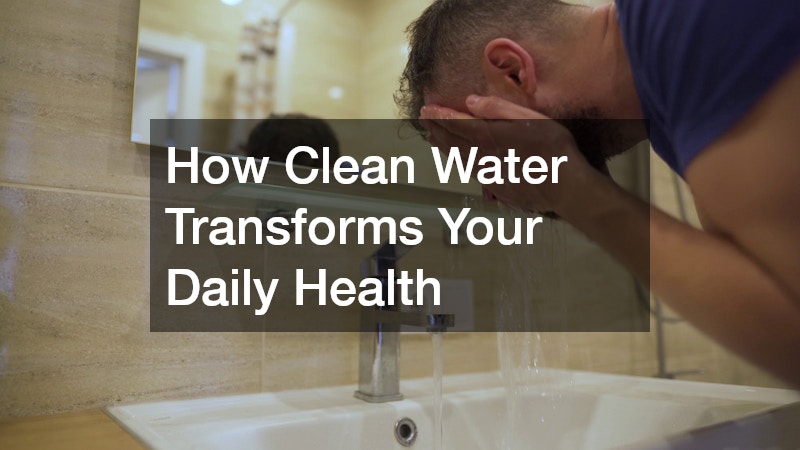
Water holds a remarkable significance in our daily lives, standing as the most fundamental and indispensable element within any household. Its presence is woven into the fabric of our daily routines, performing a wide array of roles with seamless efficiency, often without us giving it a second thought. Flowing invisibly through the intricate maze of pipes nestled within our walls, water acts as a silent agent that ensures our clothes emerge from the wash fresh and clean, that our bodies receive the nourishment they crave, and that the sanitary conditions we rely on are upheld to sustain a healthy living environment.
Despite its crucial role in the household, the simple and mundane act of turning on a tap is frequently overlooked or taken for granted in many homes. However, each drop of water that flows from these taps is far more significant than its effortless ease might suggest. The quality of this water is a vital factor in determining the long-term health and well-being of every family member within the household. It’s not just about the absence of an unusual taste or an off-putting odor; the purity of water embodies a comprehensive approach that encompasses various critical aspects such as moisture control, effective waste management, and thorough filtration processes. Furthermore, water is considered the lifeblood of our homes, making its quality and distribution a pivotal concern. By recognizing water’s overarching role, we can cultivate a healthier, more sustainable, and harmonious living environment for ourselves and future generations.
Mastering the Science of Safe Drinking Water
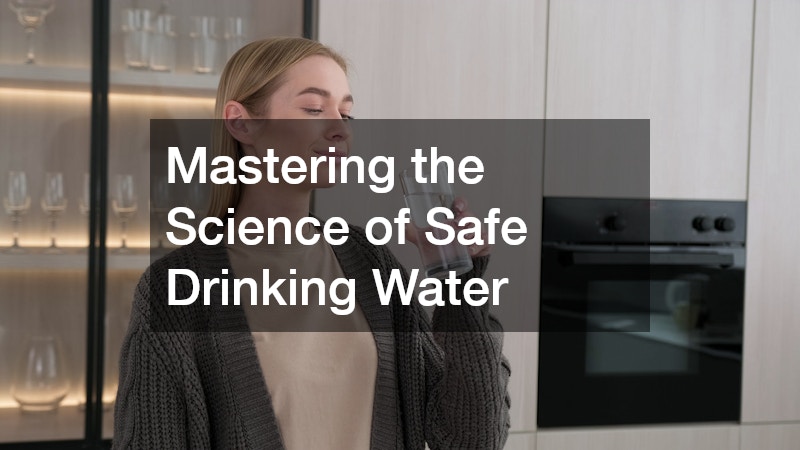
The journey to a healthier home begins at the source. While municipal water treatment plants do a significant amount of heavy lifting, the journey through miles of aging infrastructure can introduce contaminants like lead, copper, and microplastics into your glass. Understanding the specific chemistry of your local water allows you to move beyond basic carbon filters into more advanced territory.
To truly safeguard your health, you must consider the specific biological and chemical load of your tap water. In areas where groundwater may be compromised by industrial runoff or high mineral content, simple filtration isn’t enough. Many homeowners are turning to professional water purification systems that utilize multi-stage reverse osmosis or UV light to deactivate viruses and bacteria. These systems act as a final, impenetrable barrier between the outside world and your kitchen table.
For those who require the absolute highest level of purity—perhaps due to a compromised immune system or a desire for medical-grade hydration—investing in water distillers can be a game-changer. These devices mimic the earth’s natural hydrologic cycle by boiling water into steam and then condensing it back into a liquid, leaving behind virtually all minerals, chemicals, and pathogens. This level of purity ensures that the water you use for infant formula, medical devices, or specialized cooking is as clean as science allows.
Actionable Steps for Purer Hydration:
- Conduct a Laboratory Test: Don’t guess what’s in your water. Use a certified lab to test for “forever chemicals” (PFAS), lead, and nitrates.
- Match the Filter to the Problem: If your test shows heavy metals, look for KDF media filters; if it shows bacteria, look for UV or hollow-fiber membranes.
- Maintain Your Equipment: Even the best purification system becomes a breeding ground for bacteria if the filters aren’t changed on the manufacturer’s schedule.
Culinary Safety and Infrastructure Integrity
The kitchen is the heart of the home, but it is also the place where water quality most directly impacts your internal health. We use water to wash our vegetables, boil our pasta, and clean our dishes. If that water is laden with chlorine byproducts or sediment from old pipes, it subtly degrades the quality of every meal you prepare.
During a comprehensive kitchen renovation, many families focus on aesthetics like quartz countertops or custom cabinetry. However, the most important “behind the scenes” upgrade is the replacement of old galvanized or copper piping with modern, non-reactive materials. This prevents the leaching of metals into your cooking water and ensures that your high-end appliances aren’t ruined by scale buildup.
Integrating health-focused water features shouldn’t be an afterthought. This is the ideal time to install dedicated faucets for filtered water or high-efficiency pot fillers. However, none of these upgrades matter if the core of the home is leaking. Engaging professional plumbing services ensures that your drainage is vented correctly to prevent sewer gases from entering your living space and that your supply lines are pressurized correctly to prevent “backflow” events, where dirty water can be sucked back into your clean lines.
Tips for a Health-First Kitchen:
- Install a dedicated drinking tap: This allows you to use high-grade filtration for drinking without wasting the filter life on washing dishes.
- Flush your pipes: If you’ve been away for a few days, run the cold water for two minutes to clear out any metals that may have leached from the fixtures while sitting.
- Check the aerators: Unscrew the mesh screens on your faucets every few months; they often trap lead solder bits and sediment that can contaminate your water.
Invisible Shields: Waste Management and External Threats
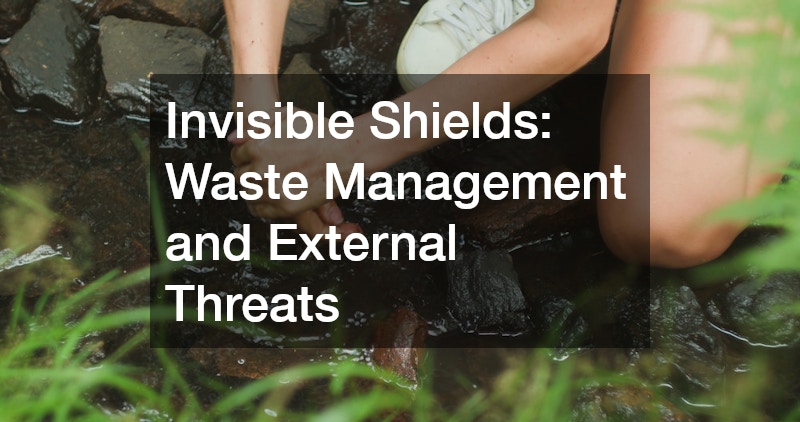
A healthy home doesn’t just manage the water coming in; it must responsibly handle the water going out. In many suburban and rural areas, the health of your backyard and the air you breathe is tied directly to your waste management system. If a system is neglected, it can leak nitrogen, phosphorus, and dangerous pathogens into the soil, eventually finding its way into the local water table or even back into your basement.
Regular maintenance is the only way to ensure these systems function as designed. Investing in routine septic pumping services prevents the sludge at the bottom of the tank from reaching the drain field. Once a drain field is clogged, the water has nowhere to go but up, leading to soggy, bacteria-rich lawns that pose a direct threat to children and pets playing outside.
Furthermore, water management extends to the exterior of your property. Standing water in gutters, poorly graded yards, or saturated flower beds creates a haven for mosquitoes and rodents. These creatures carry a variety of diseases and can eventually find their way into your home’s structure. By coordinating with professional pest control services, you can identify areas where moisture is attracting unwanted visitors and implement barriers that keep your indoor environment sterile and safe.
How to Protect Your Property’s Perimeter:
- Map your drain field: Know where your waste system is located and never park cars or plant deep-rooted trees over it.
- Clean the gutters: Clogged gutters cause water to pool at the foundation, which can lead to cracks and basement dampness.
- Audit your irrigation: Over-watering doesn’t just waste money; it keeps the perimeter of your home damp, which invites termites and carpenter ants.
Hygiene, Oral Health, and the Bathroom Environment
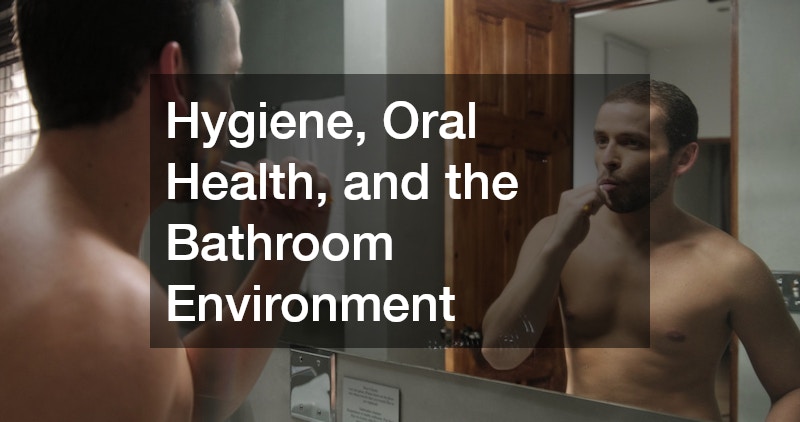
The bathroom is where we are most physically vulnerable to our water quality. When you take a hot shower, your pores open, and you breathe in the steam. If your water contains volatile organic compounds (VOCs) or high levels of chlorine, you are essentially absorbing those chemicals through your skin and lungs.
This is why many health-conscious homeowners are changing how they view their bathrooms. When working with a bathroom remodeling contractor, the focus should be as much on ventilation and water quality as it is on tile selection. A well-ventilated bathroom prevents the high-humidity conditions that allow airborne pathogens to thrive. Adding a whole-house dechlorinator can turn a standard shower into a therapeutic experience that protects your skin’s natural microbiome and reduces respiratory irritation.
Water quality also plays a silent but pivotal role in family dental care. The mineral content of your water, specifically the presence of fluoride and the pH level, affects the strength of your tooth enamel. While many municipal systems add fluoride to prevent cavities, those on private wells or those using heavy-duty filtration might lack this protection. Conversely, water that is too acidic can slowly erode enamel over time. Discussing your home’s water profile with your dentist ensures that your hygiene routine is tailored to the specific needs of your family’s smiles.
Maximizing Bathroom Wellness:
- Upgrade your fan: Ensure your bathroom fan is rated for the square footage of the room and leave it running for 20 minutes after every shower.
- Switch to a filtered showerhead: These are inexpensive and can significantly reduce the “pool smell” of chlorine.
- Use non-porous surfaces: Choose materials like porcelain or treated stone that don’t trap moisture or provide a home for bacteria.
Emergency Mitigation and Structural Health
Even with the best maintenance, accidents happen. A burst pipe, an overflowing tub, or a flash flood can introduce thousands of gallons of water into your home in minutes. In these moments, the “health” of the home is under immediate attack. Water that sits for more than 24 to 48 hours becomes a breeding ground for biological hazards.
The first step in any flood event is professional extraction. Hiring an experienced water mitigation contractor is essential because they use industrial-grade dehumidifiers and moisture meters to find “hidden” water. Water often wicks up into drywall or seeps under floorboards, where it remains trapped long after the surface looks dry. If this moisture isn’t removed, it creates a permanent reservoir of humidity that degrades air quality.
The most feared consequence of lingering moisture is, of course, the growth of fungi. If you spot black spots on your ceiling or smell a musty odor, you are likely past the point of simple cleaning. Professional mold remediation is required to safely contain and remove these colonies without spreading millions of spores throughout your HVAC system. Exposure to these spores can lead to chronic respiratory issues, fatigue, and severe allergic reactions, making it one of the most significant water-related health risks in the modern home.
Crisis Management Checklist:
- Know your main shut-off: Every person in the house should know how to turn off the main water valve in an emergency.
- Elevate electronics: Keep expensive items and sensitive documents in waterproof bins or on high shelves in the basement.
- Don’t DIY: Scrubbing fungal growth with bleach often just releases spores into the air; always consult a professional for areas larger than 10 square feet.
Creating a Long-Term Water Health Plan

Protecting your home’s water quality isn’t a one-time task; it’s an ongoing commitment to maintenance and awareness. By viewing your home as a complex system of intake and output, you can create a shield that protects your family’s health for decades. This involves a mix of professional expertise and daily habits that ensure every drop of water in your home is working for you, not against you.
Consistency is key. A yearly “home health audit” can help you catch small issues before they become catastrophic failures. Whether it’s checking the pressure on your water heater or ensuring your filtration system is performing at its peak, these small actions add up to a significant increase in quality of life.
The Ultimate Home Water Maintenance Schedule:
- Monthly: Inspect the area under sinks and around the dishwasher for slow leaks or dampness.
- Quarterly: Check your water softener (if you have one) and clear any salt bridges; replace basic pitcher or refrigerator filters.
- Annually: Have your water tested by a professional lab; inspect the basement for any signs of foundation seepage or humidity spikes.
- Bi-Annually: Check the anode rod in your water heater to prevent tank corrosion and unpleasant odors.
The link between the water that flows through our pipes and the overall health of our bodies is absolutely undeniable. This connection underscores the importance of implementing a proactive and comprehensive approach to ensuring the quality of water in your home. From its initial entry into your living space to its eventual exit, safeguarding the purity and safety of water is tantamount to investing in the most valuable asset you possess: your family’s well-being.It becomes crucial to prioritize water quality today to ensure that your home remains a sanctuary of health for years to come. By doing so, you are not just investing in the present; you are also securing a safer, healthier future for your family in an ever-changing landscape.